Podcast listening and digital audio are among the fastest-growing digital ad channels right now, with ad spend outpacing overall online growth. SMB performance marketers already know this. They’ve heard it, seen the numbers, and somewhere between reading about it and actually running a campaign, most of them hit a wall.
This is not because the channel is broken. Because the way podcast advertising was traditionally bought. The headache involved negotiating one-on-one with show hosts, signing insertion orders, and working through agencies with high retainers and minimum budgets.
That’s what we are here to solve. Now, how podcast advertising works is changing and all for the good, only to make things simpler for you.
How does Podcast Advertising Work?
Podcast advertising works in two methods of running podcast ads works with two kinds of podcast ads, and they work very differently.
The first is the one the host reads. You are watching an episode, and in the middle of it, the host reads out the ad, which is the one we are talking about. Now, in podcasts, you develop a personal connection so the listener has full trust in the host, and the same extends to whatever he speaks, which also includes the ad. Just like your friend suggesting you buy a bag from ALDO, who’s also a fashionista, you would trust her and maybe go buy that bag. This was from the consumer’s perspective.
For the people who want to run these ads, it’s a bit of a hassle. The reason being such deals are negotiated one-on-one with the shows, which involves a lot of back and forth with budget discussions, timelines, and whatnot.
However, the second kind of podcast advertisements solves this hassle, which are dynamically inserted ads. So these are audios provided by the business that runs the ads. Mostly, the duration is between 15 and 30 seconds, and these are stitched to the podcast being run. You just upload your audio, define your target audience, set your budget, duration, and you’re done! With EASI Ads, you can start with a budget as low as 50 dollars on a daily basis! And that’s what we call a self-serve model. You run it the same way you run a Facebook or Google campaign.
For performance marketers, dynamic insertion is the relevant format. It scales, it’s targetable, and the measurement infrastructure works.
Steps to Set Up Your Podcast Advertisement Campaign
Four steps are all it takes for any small business to set up and get started with podcast ads, and you really don’t need to do any ad course or hire a marketer to run these.
Firstly, know your people!
Understanding your target audience should be your first step. There are different people with different interests. Ponder upon what your customers would love to listen to and where you can find them. Choose your podcast accordingly, then on which you will run your ads. After you define it, take advantage of the targeting tools available on the selected platform.
Let’s get creative
It’s time to create your ad. On some platforms, there’s an AI tool that will create an audio ad based on the content of your website for you. On other platforms, you will be able to upload your pre-produced audio ad. And in some, you will have both, just like EASI Ads.
Now it’s time to invest
Set your daily budget and pick your campaign start and end dates. Many platforms will automatically pace your spend to get you the most bang for your buck over the course of your campaign. Think of it as your personal assistant, but only for ads.
Scariest part, the results!
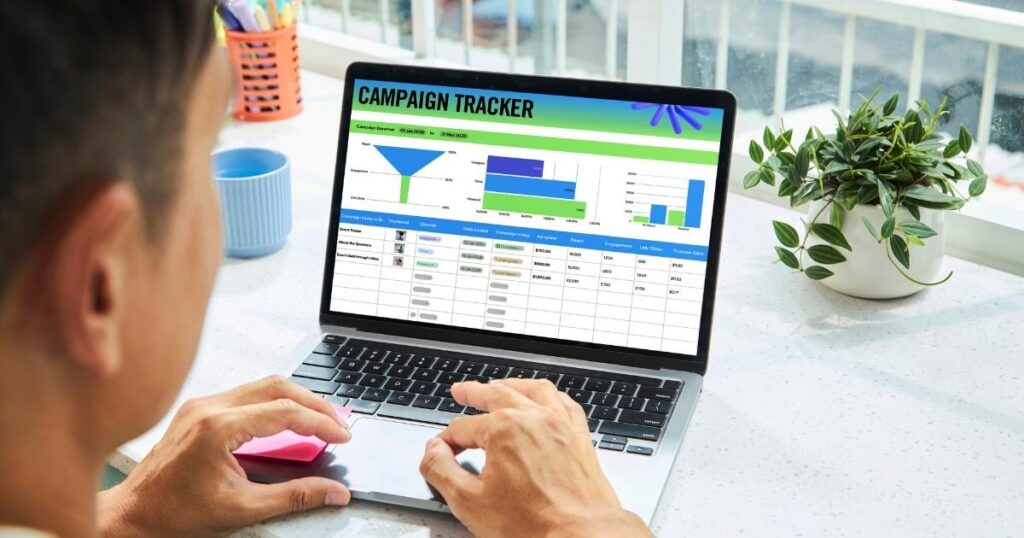
You planned your ad so well, so do keep a regular check on the results. Most platforms have built-in dashboards that show the key metrics. Basically, the impressions, clicks, and conversions. Compare your campaigns, see why and which ones are performing better, and take your next step accordingly. With EASI Ads, you can connect Shopify, Pixel, and Google Analytics to track your metrics.
Is your Audience the Real Target or the Podcast Show For Podcast Advertisement?
Of course, the people you want to show your ads to are your actual target. The show is just the medium through which it reaches the people. So, when you are running a campaign via a self-serve platform like EASI Ads, you are not confining yourself to a particular show and living in the hope that its audience might match the kind of people you want to reach out to. With this kind of platform, you are buying access to a large pool of potential customers, their interests, location, age, and other things.
Some platforms let you select specific show categories. Others use AI optimization to find the best-matched inventory for your audience profile automatically and shift budget toward the placements that are actually converting.
The practical implication is straightforward. Targeting by audience rather than by individual shows tends to be both more efficient and more effective. This way, you will be able to reach the right listeners irrespective of their location. Unlike the host-read ads, here you are not limited to one particular show, as you have made a commitment.
How to Measure the Performance While Working with a Podcast Advertisement?
For a long time, measuring podcast performance was genuinely hard. The standard approach was a promo code or a vanity URL. If someone used it, you had a signal. If they didn’t, you had nothing. That’s not attribution. That’s correlation at best.
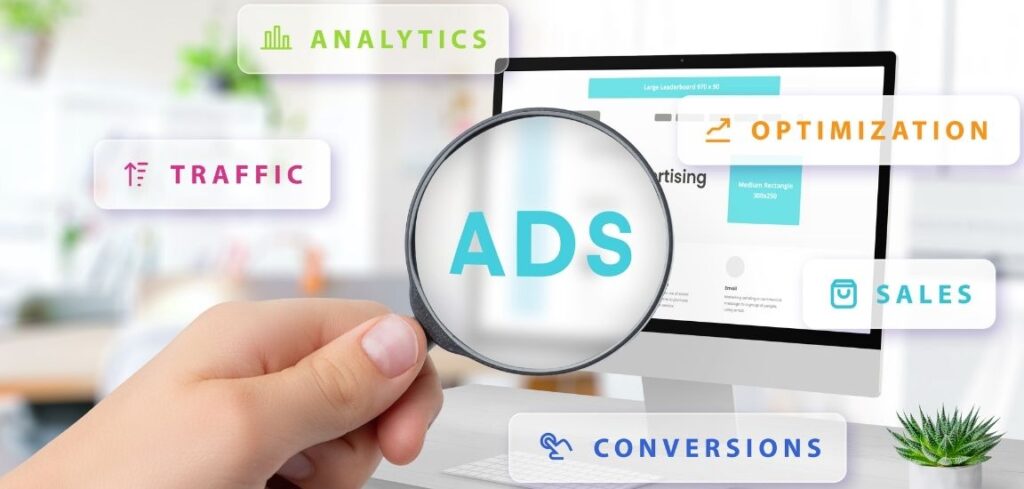
Modern platforms use pixel-based tracking that works on the same logic as what you’re already running on Meta or Google. You add a tracking pixel on your website or integrate with your current platforms, Shopify, Klaviyo, Google Analytics, or MMPs like AppsFlyer and Adjust. Every time someone listens to your ad and comes to your website, the platform links that visit to the specific campaign that generated it. This way, you get data on website visits, leads, sales, and even app downloads from your podcast investments, exactly like you measure them with other marketing activities.
You then calculate your CPA, ROAS, and CAC, and you compare your podcast results with your other marketing efforts, not just use them separately. For brands launching mobile acquisition campaigns, integration of MMP platforms, such as AppsFlyer and Adjust, allows you to track in-app events and measure actual acquisition costs.
If you can’t see revenue and CAC from your podcast spend, it’s hard to get the budget approved. That’s exactly the problem pixel-based attribution solves.
What is The Process of Getting Started with a Podcast Advertisement?
Running a podcast campaign doesn’t require an agency, an insertion order, or a five-figure budget commitment before you’ve seen a single data point.
What it does require is an audio ad, a 30-second spot is the standard, and you can produce it, repurpose a social script, or generate it using AI from your website. All it needs is the audio advertisement. The standard size is the 30-second ad, which you can produce, repurpose from a social ad, or create with the help of AI based on your website content.
Also, a tracking system is required, a pixel placed on your site or an integration into your current stack, so that you can analyze how the campaign performs. The testing budget will be about $500, which is sufficient for running a serious campaign and analyzing its results. In addition, you need a platform for serving your advertisement automatically, one that takes care of targeting, placement, optimization, and reporting without involving you in the selling process.
That’s the part where the friction occurred previously with the coming up of podcast advertising models. Podcast advertising has been traditionally based on manually negotiated host-read advertisements with fixed starter packs.
EASI Ads was built for exactly this. The platform gives performance marketers access to premium podcast inventory across 500+ shows and 100M+ U.S. listeners,without the agency retainers or high minimums. You can generate audio creative from your website using AI or upload your own. Target by interest, demographics, geography, and podcast category. Connect your pixel, Shopify, Klaviyo, Google Analytics, or MMP integrations to track performance down the funnel and start from as low as $500.
The simple objective is to make podcast ads behave like Facebook/Google ads. Upload your audio, choose your target audience, and watch sales and leads attributed in your dashboard.
Podcast Advertisements are Catching Some Serious Attention!
Meta and Google are no doubt competitive and volatile. Customer acquisition costs are rising. Audiences that used to convert reliably are getting more expensive to reach. Now who’s on the hunt? Our dearest performance marketers are desperately looking for new modes to drive more leads. Here’s how podcast advertising works and comes to the rescue because of the intensity of the audience and also the measurement infrastructure (Sounds unfamiliar, right? We will read about the measurement stuff later in the blog).
Okay, so people who listen to podcasts are different from the people scrolling endlessly on Instagram and see ads there. Most of these people are either the ones chilling on a Sunday having their me time with a motivational podcast, exercising, cooking or commuting. The way their attention is grabbed by podcasts or the ads we see here is pretty long-lived and different from social media. Also, it comes with a lot of patience.
That context changes what an ad experience is. Listeners often take action after hearing ads, which is why more growth-focused brands are quietly moving their budgets here.
The other reason this channel is relevant right now is that audio adtech has matured. Dynamic ad insertion, programmatic buying, and self-serve tools now allow small advertisers to buy audio inventory the same way they buy display and social media. The infrastructure that used to exist only for enterprise advertisers is now accessible to brands starting with a few hundred dollars.
FAQs About How Podcast Ads Work?
What if I am a SMB? Would a podcast advertisement work for me?
Of course. Please stop living on a whim that podcast ads are very expensive and not built for SMBs. With EASI Ads, you can start with a daily budget of just 50 dollars with a customized campaign that you can easily run.
Do I need a professionally recorded audio ad to get started?
No. A clear recording with a well-written script performs well. Many brands repurpose social ad copy and record it as audio. Some platforms, including EASI Ads, generate audio creative automatically from your website using AI, so you don’t have to produce anything from scratch.
Can I target specific types of listeners rather than specific shows?
Yes. Audience-based targeting is how self-serve platforms work. You define who you want to reach,by interest, geography, demographics, or content affinity,and the platform finds the matching inventory across its network.
How much Cost Per Mille (CPM) can I expect?
On a self-serve platform targeting quality inventory, CPMs typically land between $12 and $22. The exact number depends on your targeting specificity and how competitive your audience segment is.