Banner ads stopped landing on me a long time back. Same story with the pre-roll before a video, where I’m already hunting for the skip button before the thing has even loaded, and whatever slides through a social feed is out of my head before I’ve finished scrolling past it. Brands keep hitting that same wall, which goes a long way toward explaining why so many have drifted over to sound.
Podcasts, streaming, digital radio. The logic isn’t complicated once you sit with it. Sound reaches you while your eyes are tied up somewhere else, on the drive in, out with the dog, standing around waiting for the kettle to go. Those minutes pile up over a day, and barely anyone is bothering to compete for them.
What is digital audio advertising?
Strip away the jargon and it’s an ad that comes to you as sound over the internet, rather than over the airwaves the way old radio did. Podcasts, music apps, digital stations, that whole space. The thing that sets it apart from the radio spot your uncle heard on his commute is that it doesn’t just get flung at a whole city and forgotten.
Technologies such as dynamic ad insertion and programmatic podcast advertising make it possible to control who hears an ad, when they hear it, and which audience the campaign is built to reach. You choose who it reaches, and afterward you can tell whether it actually did anything, which broadcast radio could never really offer.
Where digital audio ads can reach audiences?
Podcast advertising
Podcast listeners are a gift for advertisers, honestly. Once you understand how podcast advertising works, the reason becomes fairly obvious. Listeners turn up on purpose, week after week, usually for a voice they’ve grown oddly loyal to. Slip an ad into that, tucked inside the episode or wrapped around it, and you’ve reached someone who’s genuinely leaning in. The host matters a lot here. Trust in the person talking tends to rub off on whatever they mention.
Streaming audio advertising
Streaming is the loud engine driving most of this. People leave music going for hours, and your ad drops in between tracks while they’re already listening. And since what somebody plays reveals a fair bit about them, you get to be clever with it instead of just loud.
Digital radio and other audio platforms
Then everything else fills in around the edges. Internet radio, audio apps, the smart speaker on the counter, the dashboard in the car nobody really looks at. All of it carries a brand past podcasts and playlists, so you can show up in more than one pocket of somebody’s day.
Why digital audio advertising matters for brands?
Reach consumers beyond the screen
This is the part that keeps pulling me back. Audio stays with people while they commute, work out, cook, get through the day, all those stretches a screen can’t touch them. Edison Research has measured this for ages, and the sheer amount of listening in those screen-free gaps tends to surprise people.
Reach more relevant audiences
You’re not firing blindly. Interests, age, location, what someone actually listens to, all of it lets you aim. And a smaller crowd that fits usually beats an enormous one that mostly couldn’t care less.
Build stronger brand recall
Sound just sticks in your head. A voice, a scrap of music, some little audio tag repeated enough. You’ve probably got one rattling around right now from a brand you haven’t thought about in years. A banner never pulls that off.
Support a wider marketing strategy
Audio also plays off your other channels rather than standing on its own. Maybe someone catches your ad while they’re listening one afternoon, and then your name turns up in their search results the following week, feeling familiar in a way it wouldn’t have before. That head start gives everything else you’re running a better shot at connecting.
How to create a digital audio advertising campaign?
Define your campaign goal
Begin with what you’re really chasing. Awareness, traffic, leads, sales, app installs. That single answer quietly steers everything after it, so don’t brush past it.
Identify your target audience
Get honest about who you’re actually talking to before spending a cent. Fuzzy targeting is just money leaking out the side, and you feel it later when the numbers come back thin.
Choose the right audio placements
Let the goal and the way your audience behaves point you somewhere. A tiny, specific podcast can be perfect for a specific product. Going after scale sends you somewhere broader.
Set a campaign budget
No need to bet everything on day one. Put in what you can comfortably test, watch what comes back, then pour more into the thing that’s clearly pulling its weight.
Create an effective audio ad
Learning how to create podcast ads that people actually listen to starts with restraint. You’ve got maybe a handful of seconds at the top before people mentally check out, so the ad needs to say one thing, not five. A real voice helps, the brand name has to register, and listeners should come away knowing the single action you want them to take.
A real voice reading it helps, the brand name has to actually register, and listeners should come away knowing the single action you want from them. Pack in more than that and they wander off remembering none of it.
Launch, measure, and optimize
Pressing launch feels like the finish, but it’s closer to the midpoint of the real work. Treating performance podcast advertising like any other measurable growth channel means watching what happens after launch, testing what changes the result, and shifting budget toward the audiences and placements that actually perform.
From there you’re watching how it performs and tweaking as you learn, sometimes the targeting, sometimes the creative, sometimes just where the money goes. The campaigns that end up doing well are almost always the ones somebody refused to leave alone.
How to measure digital audio advertising performance?
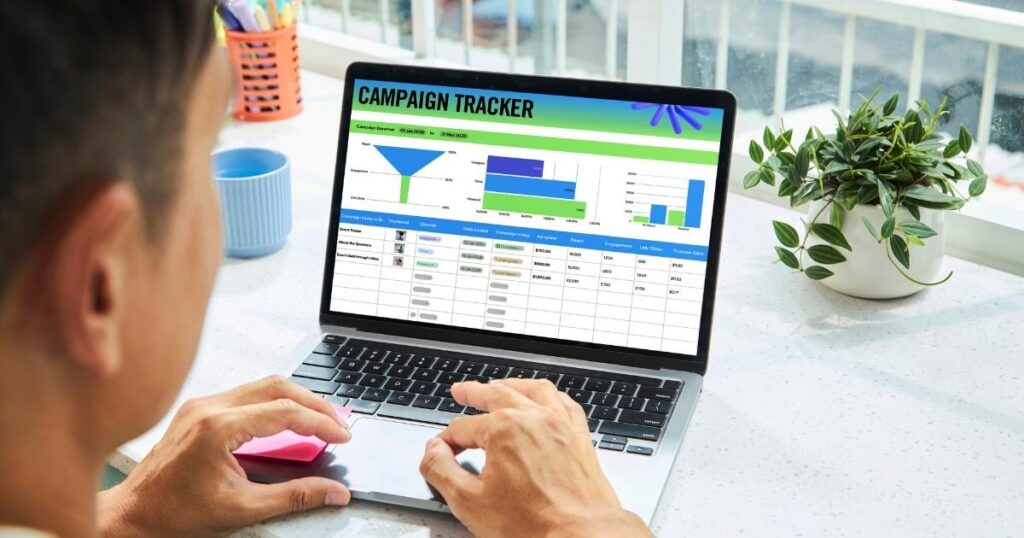
Measuring audio properly means looking beyond whether an ad was simply delivered. The right podcast advertising metrics help you understand reach, frequency, response, conversions, and ultimately whether the campaign is contributing meaningful business value.
Impressions and reach
Impressions tell you how many times your ad was served. Reach is a slightly different thing, the number of separate people who ended up hearing it. Both are worth knowing, though neither says much about whether any of it worked.
Website visits
A bump in traffic right after a campaign starts is people hearing you and going to look. Easy to spot, and a genuinely encouraging sign.
Leads and conversions
This is the part that matters, forms filled, sign-ups, downloads, actual purchases. Real movement instead of vanity.
Cost per acquisition
CPA is the blunt little number telling you what each new customer cost. Watch it slide down and you know the thing is tightening up.
Return on ad spend
ROAS lines revenue up against spend and settles the question everyone’s quietly asking, which is whether the campaign paid for itself. ROAS lines revenue up against spend and settles the question everyone’s quietly asking: did the campaign make enough money to justify what we spent? But learning how to properly measure podcast advertising ROI means looking beyond the final click, because listeners may hear an ad today, search for the brand later, and convert through another channel.
Attributed revenue
And when tracking plays nice, attributed revenue ties an ad someone heard to a purchase they made later on. Nielsen has argued for years that joining those two dots is what turns a guess into something you can actually stand on.
Common digital audio advertising mistakes to avoid
A lot of what goes wrong with these campaigns comes down to stuff the brand did to itself. They aim too wide and stretch the budget until it does nothing. Someone hands over a script that was clearly written for a visual ad, and it just lies there flat with nothing to look at. Others try to squeeze five points into thirty seconds and land none of them.
Sometimes the call to action arrives weak and vague, forgotten before the next song. Plenty of brands watch impressions climb and call that a win while never checking whether anyone bought a thing. And a surprising number skip conversion tracking altogether, then find themselves squinting into the dark afterward with no idea what happened. Sidestep that lot and you’re already doing better than most.
How EASI Ads helps brands reach the right audio audiences?
For smaller marketing teams, using a self-serve podcast ad platform for SMBs makes it easier to control spending, test different audiences, measure results, and scale only after the campaign has earned the extra budget.
Create your audio campaign
EASI Ads lets you build or upload your audio and get a campaign ready to launch without a struggle or a steep climb.
Target relevant listeners
It helps you reach the right ears through podcast, interest, demographic, and geographic targeting, so the spend goes where it’s got a real chance.
Control your campaign budget
You keep a hand on what you’re spending and shift it as goals move, starting modest and scaling once the results have earned it.
Measure campaign performance
And you can follow what genuinely counts, site visits, leads, purchases, CPA, ROAS, attributed revenue. Not just who heard it, but what they went off and did after.
Final thoughts on digital audio advertising
Tossing an audio ad out into the world, by itself, won’t carry you far. The stuff that works grows out of actually knowing your audience, picking spots that suit them, writing something people carry around afterward, and caring what they do once it’s over. Manage that and you reach people in moments a screen never gets near. The brands that do well with it usually aren’t shouting the hardest. They just seem to genuinely think about the person on the other end.
FAQs on digital audio advertising
How can brands target audiences with audio ads?
Quite a lot feeds into it. A listener’s interests, roughly how old they are, the part of the country they’re in, even the podcasts and playlists they keep coming back to. Put those together and you can steer an ad toward people who have some reason to listen, instead of paying to reach everyone with a pair of headphones. EASI Ads works off those same details, so you can tighten things down by podcast, by interest, by demographic, and by where people happen to be.
What is the difference between digital audio advertising and radio advertising?
It really comes down to two things, who you can reach and what you can prove afterward. Digital audio runs online, so an ad can be pointed at specific listeners across podcasts, streaming, and internet stations, and you can look back later at what it actually did. Regular radio doesn’t work like that. It pushes one spot out across a whole area and hopes the right people were tuned in. Being able to aim it, and then check the results, is where the two really part ways.
How much does digital audio advertising cost?
There’s no fixed price tag, honestly. What you pay shifts with your placements, how tightly you target, the size of the audience, and what you’re trying to pull off. The reassuring part for smaller brands is that you can begin on a modest budget, learn what works, and only then scale, so nobody’s shut out purely on cost.
How long should a digital audio ad be?
Most run about fifteen to thirty seconds, which is enough to land one idea as long as you don’t waste it. And the length itself matters less than what you pack into it. A strong opening helps a lot. So does resisting the urge to make more than one point. The brand name needs to come through clearly enough that it sticks, and the listener should walk away knowing the single thing you’d like them to do next.
How do you measure the success of a digital audio advertising campaign?
Reach and impressions give you a sense of scale, so they’re a fair place to begin. What tells you whether it actually worked, though, is what happens next, website visits, leads, sales, and the money side like CPA, ROAS, and attributed revenue when the tracking supports it. And a quick word of advice, set that tracking up before you launch, otherwise you’ll never link the ad to the result.