Podcast ads have never been more popular and why should they be? As compared to our usual visual ads, podcast ads provide up to 4.4 times higher recall rates. Great, isn’t it? But buying podcast ads in the past was a pain and also had a limited approach. Negotiating with the host individually, fighting for the right budget and also sticking to one show. What did this mean? Just hoping that your ad might reach the right listener!
However, now everything is different, pal. With the arrival of self-serve platforms like EASI Ads, it is possible for literally everyone to learn how to buy podcast advertising within minutes regardless of how much money you have, whether it is $50 or $5,000. But, before you buy, it is important to choose your ad methods.

Buying Podcast Advertising? Check out the Methods You Should be Aware of!
Coordinating With the Host
Only consider this if you have a decent budget. Since these are host-read ads you need to put in a little of time and energy into negotiations and processes. One great advantage with this is however the trust factor that comes with it as with the audience listening to the podcast builds trust with the host and tends to mostly believe whatever the host is saying. That stronger attention, recall and sense of trust are some of the biggest advantages of podcast advertising, particularly when the message feels relevant to the listener and the show.
Self-Serve Platforms are the Way to Go
What makes self-serve platforms so awesome for those looking to master how to buy podcast advertising? With this model, you can kill two birds with one stone. A ton of listeners will learn about your product or service via the ad and that too on a podcast of your choice. Start with a low daily budget or set a total budget like you have one with EASI Ads. For smaller businesses, choosing a podcast ad platform for SMBs can remove much of the negotiation, manual buying and high-budget commitment traditionally associated with podcast advertising.
Choose your audience based on where they live, their interests and also the categories of podcast. Create audio ads quickly and easily, with tools like Speak EASI (available on EASI Ads, where you can get creative support and guidance on how to use your existing socials for ads). Track everything from impressions to conversions without the involvement of any middlemen. You can also create podcast ads that listeners remember by keeping the message focused, natural and easy to act on, while tools such as Speak EASI can make the creative process simpler.
Programmatic advertising with DSPs
This buying method for podcast advertising is purely automated. You get a dashboard where you enter all your details with respect to who you want to reach out to, put your budget and also upload your audio ad. As per your entered details, the machine looks for the ideal match and plays your ad. Say for example, a fitness lover in New York is listening to a podcast, the machine sends a request about the same and shows an ad to him for a protein powder. That’s how the whole flow works.
With programmatic podcast advertising, software automates much of the buying process, allowing advertisers to define their audience, budget and campaign requirements while the technology handles eligible ad delivery across relevant inventory. Now that you are aware of the buying methods, let’s get to the costing.
Does the placement of Your Ad Matter While Buying a Podcast Advertisement?

So, how does this all work? Your ads have started. But now what? What’s happening with them? How are they operating? Dynamic ad insertion runs through an ad server operating in the background of every podcast app. To understand how podcast advertising works today, it helps to understand dynamic ad insertion, where eligible ads can be served when a listener streams or downloads an episode rather than being permanently baked into the recording.
When a listener hits play on an episode, the app makes a request. The ad server looks at what it knows, the listener’s approximate location, the type of show, audience segment data, and serves the matching audio clip into the episode in real time. The person listening to the episode also listens very sweetly to your ad as a part of the episode.
Dynamic insertion lets you target. Two listeners downloading the same episode can hear entirely different ads based on their location, interests, and audience profile. Your ad doesn’t play just anywhere in an episode. There are three positions, and they are not equal.
Pre-roll occurs at or around the start of the program. The audience is near their device since they just pressed play, so they will be more willing to watch the ad since it comes before the content starts. This ad format suits general brand awareness. Choosing the perfect podcast ad format and placement matters because pre-roll, mid-roll and post-roll each reach the listener at a different stage of engagement.
Mid-roll plays during the episode, often at a natural pause between sections. This is the most valuable position. At this point, the listener has basically adjusted to whatever they’re doing while listening to the podcast and are less likely to stop after the ad plays. Say someone wants to listen to a podcast while commuting from home to office. If the ad plays in the middle of it, and they have reached a decent distance from their home towards their office, they are pretty engrossed in the podcast by now and won’t bother changing it. What we mean to say is mid-rolls ads have higher engagement chances and most SMBs prefer this segment of the ads.
The post-roll is used towards the conclusion of the episode. Audiences that reach this point are highly involved and are most likely to act on what they have heard, making it ideal for direct response advertising.
How Much Will Buying a Podcast Advertisement Cost?
So, how much will it cost to advertise on podcasts? The most popular format is CPM. “Cost per mille” is what it means. It’s not really hard to understand what it is. You pay a certain amount for every 1,000 plays of your ad. The prices may vary greatly from $10 to $50+ depending on the popularity of a podcast, length of an ad, competition and other factors.
Now calculate your budget with the help of this simple formula: (Number of Impressions / 1,000) x CPM = Total Cost. So, the cost of 100,000 impressions with $20 CPM is: (100,000 / 1,000) x $20 = $2,000. Alongside attribution tools and conversion tracking, you should also measure podcast advertising ROI through signals such as dedicated URLs, conversions, branded search, customer surveys and assisted revenue.
Ready to Buy Your Podcast Advertisement?
By now you must be knowing that you need to start small and the whole process is very easy to buy your podcast ad. Choosing a self-serve platform like EASI Ads, with features like generating an audio ad with AI if you don’t have one ready for you makes it easier to manage your ad. You can also join software tools like Adjust and Apps Flyer to track your mobile application users.
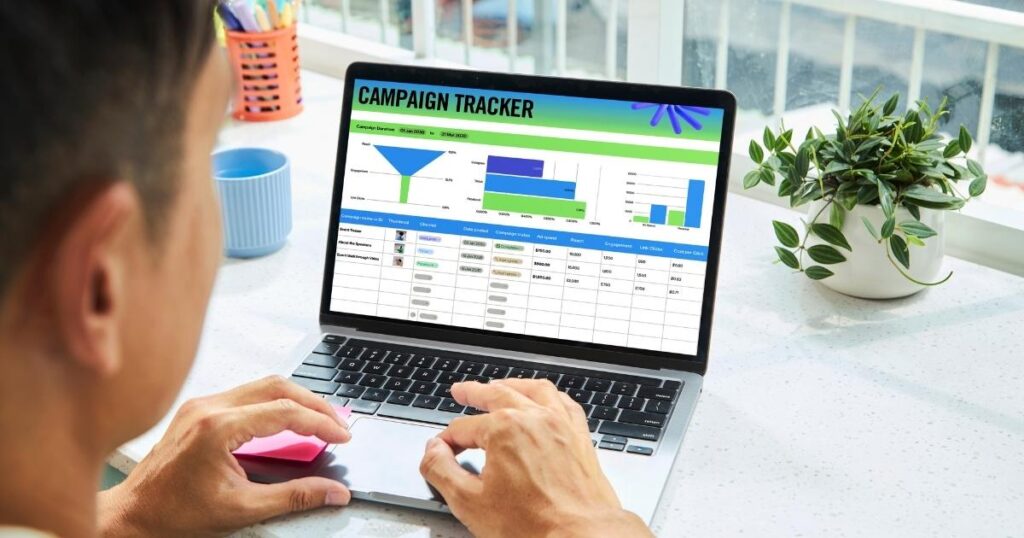
Once the campaign is live, monitor the right podcast advertising metrics, including impressions, reach, frequency, conversions and other signals that show whether your targeting and creative are actually working. So what are you waiting for? Go forth and advertise! And if you’ve got any tips or success stories of your own, we want to hear ’em. Drop us a line in the comments below.
FAQs About Buying Podcast Advertising
I am an SMB, will podcast ads work for me?
Yes, definitely. Don’t underestimate the strength of your business and lower your confidence thinking that you are not eligible to run a podcast ad. Just put in those few dollars and get started.
Do I have the option to choose my listeners?
Of course, that’s why self-serve models in podcast advertising are becoming more popular. You have everything fully customized as per your preferences. Target listeners as per their choices, interests and needs.
Is a huge budget needed to buy podcast ads?
Absolutely not. With EASI Ads, a daily budget of as low as 50 dollars is something that you can start with. This also gives you room to experiment in the beginning just like Meta so that you can judge what’s performing and what’s not!
Does placement matter while buying a podcast ad?
Yes, it does. You have three slots – pre, mid and post roll. In pre-roll, a listener has just started listening to the podcast and bothering them with an ad would mean there are chances of skipping. Mid roll costs high because it’s the best spot to place your podcast ad because by this time a podcast listener is fully engrossed. Last is the post roll where there are least chances of getting a conversion from the ad because the listener is almost done listening to the podcast and might just skip your ad and exit the podcast too!