Podcasts have a reputation problem, and it’s unfair. Marketers love them for awareness, brand-building, that warm fuzzy top-of-funnel outcomes stuff. But mention using podcasts to actually close sales and people get skeptical. “Isn’t audio too soft for conversions?”
Not even close. Nielsen found that around 82% of listeners take a measurable action after a podcast ad, and a good chunk of that is real bottom-line behavior, with roughly 17% making a direct purchase and 28% of regular listeners using a podcast-exclusive promo code to buy. Those are lower-funnel outcomes numbers. The catch is that most brands never set their podcast campaigns up to convert in the first place. So let’s fix that. Here’s how to actually drive lower-funnel outcomes with podcasts.
Why Podcasts Can Influence Conversions?
Start with why this even works, because it’s not obvious. Three things about the performance of podcasts make them quietly good at moving people to act. First, the host trust. Around two-thirds of listeners trust host recommendations, and that trust does something powerful at the decision stage. It lowers the buyer’s guard. When a familiar voice vouches for a product, the listener’s usual skepticism softens, and softer skepticism means an easier yes.
Second, the audiences are focused. People choose podcasts around specific interests, so a well-picked show is full of exactly the kind of person who might buy, not a random crowd. And third, the format is long and unhurried. A host has time to actually explain a product, tell a story, and give real reasons to care, instead of the split-second flash of a display ad. Trust, relevance, and time, all pushing in the same direction, from interest toward action.
How to Drive Lower-Funnel Outcomes With Podcasts?
Alright, the practical part. Converting funnel outcomes from podcasts takes deliberate setup, and these are the pieces that matter.
Start With High-Intent Podcast Audiences
Chase intent, not size. The biggest show is rarely the best one for conversions of funnel outcomes, because a huge general audience is mostly people who’ll never buy. Instead, choose shows based on listener needs, purchase intent, and relevance. Audience fit is one of the most important parts of a successful podcast advertising strategy because a smaller, highly relevant audience can generate more valuable conversions than a huge group of listeners with little reason to buy.
Match the Offer to the Podcast Topic
Then make sure what you’re selling fits what the show is about. Promote a product that naturally connects to the problems the podcast already discusses. If it’s a show for freelance designers, an invoicing tool fits and a car insurance ad doesn’t. When the offer matches the conversation, it feels like a helpful suggestion rather than an interruption, and listeners are far more likely to act on something that’s obviously relevant to their world. Misfit offers just get tuned out.
Use Host Credibility to Reduce Buyer Doubt
This is the secret weapon at the decision stage. A familiar host makes an offer feel more reliable, which quietly removes one of the biggest barriers to buying, doubt. Every purchase has a little voice asking “can I trust this?” When someone the listener already respects says the product is good, that voice goes quieter.
That is one reason host-read podcast ads can be so persuasive. When appropriate, give the host enough freedom to explain the product naturally, share a genuine experience, or connect the offer to the audience’s needs. The message feels less like a standard commercial and more like a trusted recommendation.
Turn Listener Interest Into Action
Interest is useless if it doesn’t go anywhere, so build each ad to push toward action. When you create an effective podcast ad, focus on one core benefit, one offer, and one clear next step. Not three benefits and two offers and a list of features. One. A cluttered ad leaves listeners with nothing specific to do, while a focused one plants a single, clear idea and a single, clear action. The whole point of a lower-funnel outcomes ad is to move someone, so give them exactly one direction to move in.
Create a Simple Call to Action
That next step has to be easy, because your listener is often driving or jogging with no way to write anything down. Use one memorable call to action, a simple URL, a free trial, a consultation request, a discount code, or a product demo. Keep it short enough to remember and specific enough to act on later. A clean promo code or an easy-to-recall web address works because the listener can hold it in their head until they get to a screen. Complicated instructions just evaporate.
Build a Landing Page for Podcast Listeners
And when they do get to that screen, don’t drop them on your generic homepage. Build a landing page made for podcast listeners, one that closely matches the message they just heard. If the host talked about a free 30-day trial for busy accountants, the page should open with that exact promise, not a wall of unrelated features. That continuity reassures the listener they’re in the right place and keeps the momentum going. A matched landing page also lets you track exactly who came from the podcast, which matters for the next part.
Connect Podcast Advertising With the Wider Sales Journey
Here’s a reality worth accepting. Most listeners won’t buy the instant they hear your ad, and that’s fine. The job is to catch them when they are ready.
Understanding how podcast advertising works within a wider customer journey is important because listeners don’t always convert immediately after hearing an ad. Search ads catch them when they later look you up. Email follow-ups nurture the ones who started a trial but stalled. Retargeting keeps you visible to people who visited the landing page and left.
Customer stories and sales content help the ones weighing a bigger decision. The podcast plants the seed with trust attached, and these other channels are what harvest it over the following days and weeks. Treat the podcast as the start of the journey, not the whole thing, and you convert far more of the interest it creates.
Measure the funnel Outcomes That Matter
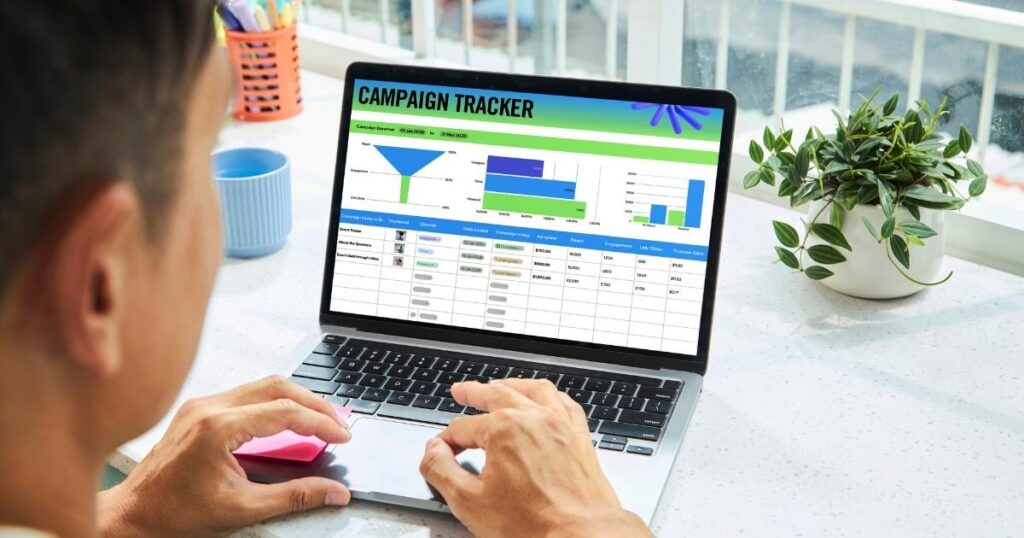
You can’t improve a campaign or justify scaling it without measuring what happens after listeners hear the ad. To measure podcast advertising ROI properly, track landing-page visits, promo-code redemptions, trial registrations, qualified leads, purchases, customer acquisition cost, and assisted conversions.
Don’t stop at the final click. A listener may hear your podcast ad today, search for the brand later, return through another channel, and convert days afterward.
Mistakes That Can Limit Podcast Conversions
A few avoidable mistakes quietly kill podcast conversions. Weak audience matching is the biggest, putting a great offer in front of people who don’t need it. Broad, unfocused offers are another, since an ad that tries to appeal to everyone gives no one a clear reason to act. Complicated calls to action lose people who can’t remember a long URL while driving.
Using appropriate podcast attribution windows helps capture conversions that happen days after exposure instead of automatically giving all the credit to search, direct traffic, or another last-touch channel. Poor landing pages break the momentum by failing to match what the listener heard. And relying only on last-click attribution badly undersells podcasts, because their influence often shows up as a later search or a direct visit that last-click hands to another channel. Avoid these five and your conversion rate climbs on its own.
Real-World Example of a Podcast Conversion Campaign
Picture a software company that wants podcasts to drive sales, not just awareness. It sponsors a niche business show whose audience closely matches its ideal customers entrepreneurs and small business owners dealing with the exact problem its product solves. This kind of precise audience match is one reason podcast advertising for small businesses can work so well when the offer directly addresses listeners’ day-to-day challenges.
Instead of a vague brand mention, it promotes one specific thing, a dedicated free trial, read naturally by the host who explains why it’s useful. Listeners who are interested go to a custom landing page built just for them, one that opens with the same free-trial offer they heard about. That page does double duty. It converts, and it tracks, tagging every registration that came from the podcast.
So the company can see exactly how many qualified trials the show drove, how many turned into paying customers, and what each acquisition cost. One focused offer, one matched page, and a clear line from the ad to the sale. That’s a lower-funnel outcomes of campaign done right.
Final Thoughts on Lower-Funnel Podcast Marketing
Podcasts absolutely can drive real business funnel outcomes, not just awareness. The brands that get soft results usually set the campaign up for awareness and then act surprised when it doesn’t convert. The ones that get sales build for conversion from the start.
It comes down to alignment. The right high-intent audience, an offer that fits the show, a message carried by a trusted host, one clear action, and a conversion journey that catches listeners whenever they’re ready. Get those working together and podcasts stop being a fuzzy top-of-funnel outcomes play and become a genuine driver of trials, leads, and sales. The trust and attention are already there. Your job is just to give that interest somewhere clear to go.
FAQs About Podcast Conversion Campaigns
Can podcast advertising generate direct sales?
Yes. Nielsen found around 81% of listeners take action after a podcast ad, including roughly 17% who make a direct purchase, and about 28% of regular listeners have used a podcast promo code to buy. With the right audience, offer, and clear call to action, podcasts drive real sales, not just awareness.
What type of offer works best in podcast ads?
Simple, specific offers that fit the show. Free trials, consultations, product demos, and clear discount codes work well because they give the listener one easy, low-risk next step. The offer should also match the podcast’s topic so it feels relevant rather than random.
How can brands track podcast conversions?
Use dedicated landing pages, unique promo codes, and pixel-based tracking to tie results back to specific shows. Then measure trial registrations, qualified leads, conversion rates, and acquisition cost, and watch branded search and direct visits too, since much of a podcast’s impact shows up beyond the last click.
Are host-read ads better for lower-funnel outcomes campaigns?
Usually, yes, host-read ads are better for lower-funnel outcome campaigns. Host-read ads carry the host’s credibility, which reduces buyer doubt right at the decision stage and makes an offer feel more trustworthy. That trust, combined with a clear call to action, tends to convert better than a pre-produced spot that sounds like a standard ad.