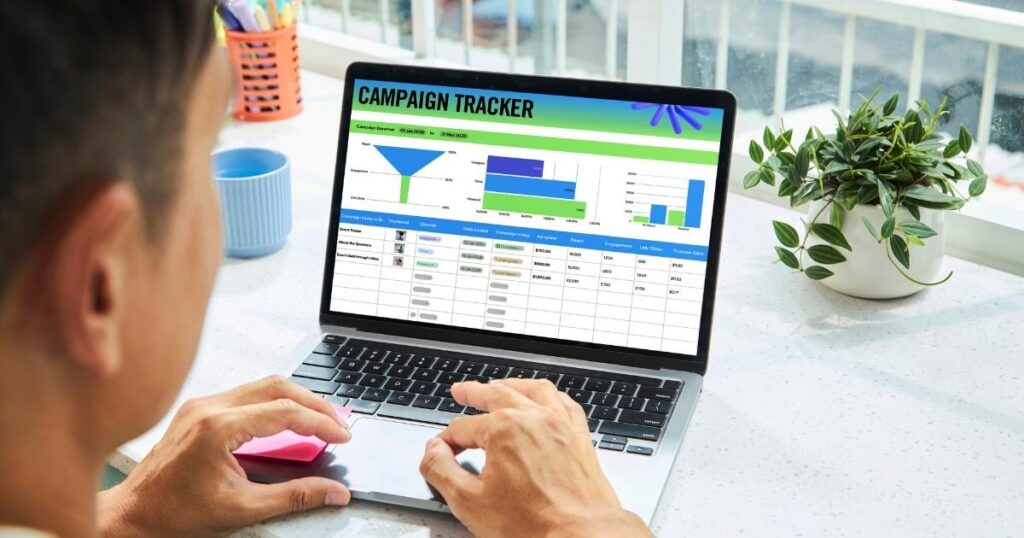
Every performance marketer has lived this nightmare. The dashboard says the campaign is crushing it, conversions everywhere, and then the finance team asks where the actual revenue is. Silence. Because the numbers on the screen and the money in the bank don’t match, and nobody can say why.
Almost always, the culprit is tracking. Specifically, incomplete postback integration. Your ad platforms are only as smart as the conversion data you feed them, and if that data is partial, delayed, or wrong, every optimization decision they make is built on sand. So let’s talk about what complete postback integration really means, how to build it properly, and why it quietly decides whether your campaigns actually perform.
Why Postback Integration Matters for Campaign Performance?
Here’s the core idea. A postback connects your advertising platforms, your tracking systems, and your real conversion data so that everyone is working from the same accurate picture. When a conversion happens, the postback sends that signal back to the ad platform, telling it “this click turned into a real result.” That accuracy matters even more in performance podcast advertising, where campaign decisions depend on connecting listener exposure to meaningful actions such as leads, purchases, sign-ups, and revenue.
Why does that matter so much? Because modern ad platforms optimize themselves based on the conversions you report. Feed them clean, complete data and their algorithms learn to find more of the people who actually convert. Feed them junk and they optimize toward junk, cheerfully spending your budget chasing the wrong outcomes. Accurate performance signals are the fuel the whole machine runs on. Get them right and everything downstream improves. Get them wrong and no amount of clever creative or bigger budget will save you.
What Complete Postback Integration Actually Means?
There’s a big difference between basic conversion tracking and a complete setup, and most accounts are running the basic version without realizing it. Basic tracking usually captures one event. A form submission, maybe, or a single purchase pixel. It tells you something happened, but not much more. This becomes especially important with the advantages of podcast advertising, where listeners may hear an ad, remember the brand, and convert later through another channel rather than taking an immediate, trackable action.
A complete setup records every valuable action across the customer relationship, the leads, the registrations, the purchases, the renewals, and the genuinely qualified conversions that actually matter to the business. It’s the difference between knowing someone filled out a form and knowing that form turned into a paying customer who renewed twice. One of those is a vanity metric. The other is real business value.
Connect Every Stage of the Customer Journey
Complete postback integration means passing data along the whole journey, from the initial click all the way through to the final conversion. When you carry that thread the entire way, you can finally see which campaigns generate real value rather than just early activity.
Maybe one campaign produces tons of cheap leads that never buy, while another produces fewer leads that convert like crazy. Basic tracking makes the first one look like the winner. Complete tracking reveals the truth. Connecting every stage is how you stop optimizing for noise and start optimizing for revenue.
Connecting every stage also means using appropriate podcast attribution windows, so conversions that happen days after exposure are not incorrectly credited to another channel simply because the measurement window closed too early.
Where Incomplete Tracking Creates Problems?
And incomplete tracking causes real, expensive damage. Missing events mean the platform never learns which clicks led to sales, so it can’t optimize toward them. Duplicate conversions inflate your numbers and trick the algorithm into overvaluing the wrong sources. Incorrect attribution hands credit to the wrong campaign, so you scale the loser and cut the winner.
And delayed data means you’re making today’s decisions on yesterday’s incomplete picture. Each of these quietly leads to worse optimization and wasted spend, and because the dashboard still shows numbers, the problem often hides in plain sight for months.
Building a Reliable Postback Integration Framework
So how do you build tracking you can actually trust? It comes down to three disciplines, and none of them are glamorous, but they’re what separates reliable data from a mess.
Define the Events That Matter
Start by deciding what’s actually worth tracking. Sit down and identify the specific conversions and customer actions that should be sent back to the podcast advertising or affiliate platform. Not everything, just the events that represent real value, like a qualified lead, a completed purchase, a trial start, or a renewal. Being deliberate here matters, because tracking the wrong events teaches the platform the wrong lessons. Pick the actions that genuinely reflect business results, and make sure those are the ones firing postback integration.
Standardise Tracking Parameters
Next, get obsessive about consistency. Use the same click IDs, transaction IDs, event names, timestamps, and revenue values across every platform you run. This sounds boring, and it is, but inconsistency is where tracking quietly falls apart. If one platform calls an event “purchase” and another calls it “sale,” and a third passes revenue in cents while the rest use dollars, your data becomes an unreconcilable mess. Standardized parameters are what let systems talk to each other cleanly and what make your reports actually add up.
Test Data Before Launching Campaigns
Then test everything before you spend a rupee. Confirm that postbacks fire correctly when a conversion happens, that conversions aren’t being counted twice, and that the values being reported match your own internal records. This step gets skipped constantly, usually because everyone’s in a rush to launch, and it’s the single most common reason campaigns run for weeks on broken data.
A couple of hours of testing up front saves you from optimizing an entire campaign toward numbers that were wrong from day one. Reliable tracking should therefore be treated as part of your overall podcast advertising strategy, not as a technical task someone checks after the campaign has already launched..
Real-World Example of Better Campaign Optimisation
Picture a performance podcast advertisement and marketing team running lead-gen campaigns. At first, they optimize purely for form submissions, because that’s all their tracking captures. The platform dutifully finds them more form fills, cost per lead drops, and the dashboard looks fantastic. Everyone’s happy.
Except sales is quietly miserable, because most of those leads are junk. So the team upgrades their postback integration to pass back two deeper events, qualified leads and completed sales, not just the initial form submission. Suddenly everything changes. The algorithm now optimizes toward the sources that produce real customers instead of empty forms.
Some channels that looked cheap turn out to produce almost no qualified leads, so they get cut. Others that looked expensive turn out to drive most of the actual revenue, so they get scaled. Same budget, same creative, but by feeding the platform complete conversion data, the whole campaign reorients toward what actually makes money. That’s the power of tracking the events that matter.
Measuring the Impact of Postback Integration
Once your postback integration is live, measure whether it’s actually doing its job. Watch your attribution accuracy, meaning how well conversions are credited to the right source. Keep an eye on conversion discrepancies between what the platform reports and what your internal systems show, since a growing gap signals a tracking problem. Alongside attribution accuracy and conversion discrepancies, monitor the broader podcast measurement metrics that reveal whether your campaign is reaching people, influencing action, and producing incremental business results.
Track your cost per qualified action rather than cost per raw lead, your return on ad spend, the number of rejected or invalid conversions, and any reporting delays. These metrics tell you whether your data pipeline is healthy, and catching a discrepancy early can save you from weeks of misguided optimization.
Common Postback Integration Mistakes
A handful of mistakes trip up almost everyone. Missing click IDs are the classic, because without that identifier a conversion can’t be tied back to the click that caused it, so attribution breaks entirely. Inconsistent event names cause platforms to misread or drop conversions. Duplicate firing double-counts results and corrupts optimization. Incorrect revenue values throw off every ROAS calculation you make.
Limited testing lets broken postbacks slip into live campaigns. And failure to monitor the integration after launch is the sneaky one, because a setup that worked perfectly on day one can silently break after a site update or a platform change, and nobody notices until the numbers look strange. Avoid these, and you’re ahead of most advertisers running today.
Final Thoughts on Complete Postback Integration
It’s tempting to believe better performance always comes from stronger creative or a bigger budget. Those help, sure. But they’re pouring fuel into an engine, and if the engine is misfiring on bad data, more fuel just wastes faster. Complete, accurate conversion data is what makes everything else work. As online podcast advertising campaigns become more measurable and performance-focused, clean conversion data is increasingly what separates campaigns that merely generate activity from those that generate profitable growth.
So treat your postback integration as the foundation it actually is. Define the events that matter, standardize your parameters, test before you launch, and keep monitoring after. Give your advertising systems a full, honest picture of what’s really converting, and they’ll reward you by finding more of it. In performance marketing, the brands that win aren’t always the ones with the flashiest ads. Often they’re just the ones whose tracking tells the truth.
FAQs About Postback Integration
What is a postback in performance marketing?
A postback is a server-to-server notification that tells an ad platform or affiliate network when a conversion has happened. When a user completes a valuable action, your tracking system sends a signal back, usually including the click ID, the event, and the revenue, so the platform can attribute the result and optimize toward more of it.
How is postback tracking different from a tracking pixel?
A pixel fires in the user’s browser, on the client side, which makes it vulnerable to ad blockers, cookie loss, and page-load issues. A postback fires server to server, behind the scenes, so it’s generally more reliable and accurate. Postbacks are also better at capturing conversions that happen later, like a sale that closes days after the click.
Which conversion events should be included?
Include every action that represents real business value, not just the first step. That usually means qualified leads, registrations, purchases, renewals, and any conversion that reflects an actual result. Tracking only shallow events, like raw form fills, teaches the platform to optimize for quantity over quality.
How can duplicate postbacks be prevented?
The most reliable method is passing a unique transaction ID with every conversion and having your system reject any ID it has already recorded. Consistent event naming and careful testing help too, since duplicates often come from a postback firing more than once on the same action.
How often should a postback integration be tested?
Test thoroughly before every campaign launch, and then monitor it continuously afterward. Also re-test any time you change your website, your tracking platform, or your offer, because those updates are exactly what tend to break a working integration without warning. Ongoing monitoring catches silent failures before they waste real budget.